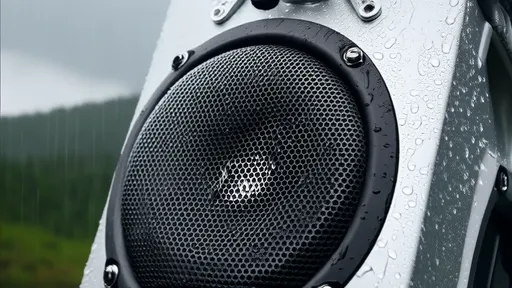
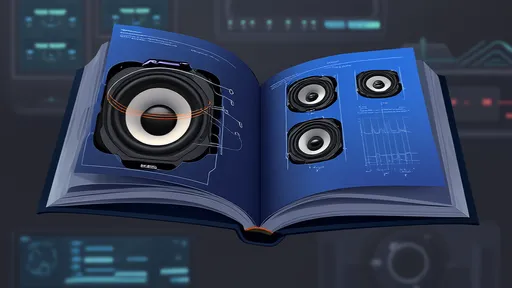
In the realm of outdoor audio systems, the challenge of protecting equipment from environmental elements remains a critical concern for engineers and event organizers alike. Water, in particular, poses a significant threat to the integrity and performance of amplification devices, speakers, and associated electronics. As such, developing robust waterproofing strategies is not merely an option but a necessity for ensuring reliability and longevity in varied climatic conditions.
The fundamental approach to waterproofing outdoor audio equipment begins with the selection of materials and construction techniques that inherently resist moisture intrusion. Manufacturers often employ corrosion-resistant metals, such as aluminum alloys with protective coatings, and high-grade plastics that do not degrade when exposed to water or humidity. These materials form the first line of defense, creating a barrier that prevents immediate damage to internal components.
Beyond material choice, the design of enclosures plays a pivotal role in safeguarding sensitive electronics. Sealed cabinets with gaskets made from silicone or other elastomers ensure that joints and seams remain impervious to water ingress. These gaskets must maintain their flexibility and sealing properties over time, even under UV exposure and temperature fluctuations, which can cause other materials to brittle and fail.
Venting systems, while necessary for thermal management, present a potential vulnerability in waterproof designs. To address this, many modern outdoor speakers and amplifiers incorporate hydrophobic membranes or labyrinthine pathways that allow air to flow for cooling but block liquid water and even fine mist from entering. This balance between ventilation and protection is crucial; without it, condensation could build up inside the enclosure, leading to corrosion or short circuits.
Connectors and cables are another critical area where water can infiltrate systems. Industry standards like the IP (Ingress Protection) rating system guide the selection of connectors rated for outdoor use, such as those with IP67 or higher ratings, indicating complete dust protection and resistance to immersion in water up to a meter deep for limited periods. Using waterproof cable glands and ensuring all external connections are properly sealed during installation are standard practices in professional setups.
For permanent installations, additional measures such as strategic placement under eaves or within custom-built shelters can reduce direct exposure to rain. However, this is not always feasible for temporary events like concerts or festivals, where equipment must withstand the elements without structural protection. In these cases, temporary waterproof covers or tents may be employed, but these solutions require careful management to avoid trapping heat or interfering with sound projection.
Electronics within amplifiers and processors are particularly susceptible to humidity and condensation. Conformal coatings—thin protective layers applied to circuit boards—provide an extra shield against moisture, dust, and chemical contaminants. These coatings are engineered to be non-conductive and resistant to environmental stresses, thereby preventing corrosion and electrical failures that could compromise the entire system.
Regular maintenance and inspection routines are indispensable for sustaining waterproof integrity over time. Gaskets can wear out, seals may loosen, and coatings might degrade with exposure to sunlight and pollutants. Scheduled checks before and after events or seasonal changes help identify potential issues early, allowing for timely replacements or repairs before catastrophic failures occur.
Innovation in nanotechnology and material science continues to push the boundaries of what is possible in waterproofing. Superhydrophobic coatings, inspired by natural surfaces like lotus leaves, cause water to bead up and roll off, taking contaminants with them. While still emerging in commercial audio applications, such advancements promise even greater resilience for future outdoor sound systems.
User education is equally important; operators must understand the limitations of their equipment's waterproof ratings. For instance, an IP67-rated speaker can handle temporary submersion but might not withstand high-pressure water jets, which would require an IP69K rating. Misunderstanding these specifications can lead to improper use and avoidable damage.
In regions with saltwater exposure, such as coastal areas, additional precautions are necessary due to the corrosive nature of salt. Stainless steel components, extra-thick coatings, and more frequent cleaning schedules are often implemented to combat salt-induced deterioration, which can accelerate wear on even the most robust systems.
Ultimately, a comprehensive waterproofing strategy for outdoor audio equipment is multifaceted, combining advanced materials, intelligent design, rigorous standards, and proactive maintenance. There is no one-size-fits-all solution; each environment and application demands a tailored approach to ensure that sound quality remains uncompromised regardless of weather conditions. As technology evolves, so too will the methods for keeping our outdoor sound systems clear, powerful, and protected against the ever-present challenge of water.
In the bustling landscape of modern parenting, where digital distractions often dominate children's attention, a refreshing trend is emerging that brings families together through rhythm and resonance. Parent-child percussion interaction games are not merely a pastime; they represent a profound shift toward tactile, collaborative play that stimulates both cognitive development and emotional bonding. These activities, which range from simple hand-clapping routines to elaborate drum circles, harness the universal language of rhythm to create shared experiences that resonate deeply within family dynamics.
In the evolving landscape of therapeutic interventions, music communication methods for special children have emerged as a profound and transformative approach. This practice, rooted in both art and science, leverages the universal language of music to bridge gaps where traditional communication may fall short. For children with diverse needs—whether developmental, emotional, or cognitive—music offers a unique pathway to expression, connection, and growth.
In community centers and retirement homes across the country, a quiet revolution is taking place as silver-haired learners gather around tablets and digital keyboards. The emergence of digital musical instrument education for seniors represents more than just technological adoption—it signifies a profound shift in how we perceive aging, cognitive health, and creative expression in later life.
In the high-stakes world of corporate leadership, where decisions carry multimillion-dollar implications and the weight of entire organizations rests on their shoulders, executives are increasingly turning to an unexpected source of relief: music. Across boardrooms from Silicon Valley to Wall Street, a new trend is emerging as top-tier companies invest in specialized music stress reduction class for their C-suite personnel, recognizing that the well-being of their leaders directly impacts organizational performance and innovation.
In the evolving landscape of therapeutic and educational interventions, the integration of music with sensory integration has emerged as a profoundly effective methodology. Music-based sensory integration training, often referred to as Musical Sensory Integration (MSI), represents a dynamic fusion where the structured elements of sound, rhythm, and melody are harnessed to engage and regulate the sensory systems. This approach moves beyond traditional auditory training, positioning music not as a mere backdrop but as an active, organizing force for neural processing. The core premise rests on music's innate ability to capture attention, modulate arousal levels, and provide a predictable yet flexible framework for sensory exploration and motor response.
In the realm of outdoor audio systems, the challenge of protecting equipment from environmental elements remains a critical concern for engineers and event organizers alike. Water, in particular, poses a significant threat to the integrity and performance of amplification devices, speakers, and associated electronics. As such, developing robust waterproofing strategies is not merely an option but a necessity for ensuring reliability and longevity in varied climatic conditions.
In the intricate ecosystem of computer audio, the role of sound card drivers often remains underappreciated until something goes awry. These software components serve as the critical bridge between your operating system and the hardware responsible for producing and capturing sound. While most users settle for the default driver configurations provided by manufacturers, a deeper understanding of driver optimization can unlock significantly enhanced audio performance, reduced latency, and improved stability across various applications.
In the ever-evolving landscape of electronic keyboards, the quality and versatility of auto-accompaniment styles have become a defining feature for musicians of all levels. From hobbyists to professional performers, these built-in rhythm and harmony patterns serve as both a creative springboard and a technical benchmark. The evolution of these styles reflects not just technological advancement but also shifting musical tastes and global influences.
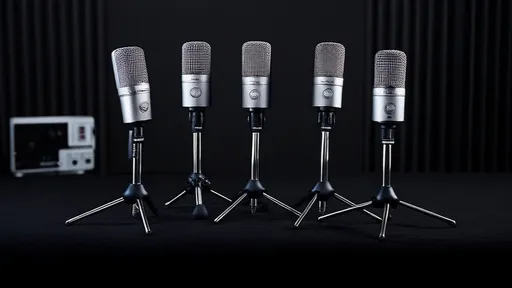
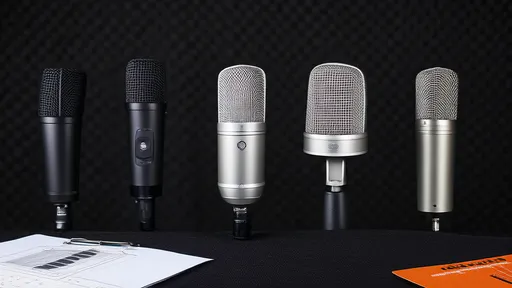
In the ever-expanding universe of content creation, the microphone stands as one of the most critical tools for anyone serious about audio quality. Whether you're a budding podcaster, a YouTuber, a streamer, or a musician recording demos, the quest for pristine sound without obliterating your budget is a common challenge. The sub-$50 and sub-$100 microphone market has exploded in recent years, offering a dizzying array of options that promise professional-grade performance. But how do they truly stack up against each other? This deep dive aims to cut through the marketing noise and provide a clear, practical evaluation of the best microphones you can get for under five hundred dollars, a price point that has become a sweet spot for high-quality, accessible audio gear.
In the rapidly evolving landscape of wireless communication, the resilience of monitoring systems against interference has emerged as a critical focal point for both developers and end-users. Recent advancements in testing methodologies have shed new light on the capabilities and limitations of modern wireless listening devices operating in increasingly congested electromagnetic environments. Field tests conducted across urban and remote settings reveal a complex interplay between signal integrity, bandwidth efficiency, and adaptive countermeasures that define the next generation of surveillance technology.
Every recording begins with a single sound, and capturing that sound accurately starts with the right microphone and, just as importantly, the right testing process. A microphone test is not merely a technical formality; it is the first and most crucial conversation between the artist and the technology. It is the moment you learn the instrument's true voice, its nuances, its strengths, and its potential pitfalls before a single note of the final performance is committed to tape. The approach to this ritual, however, is not universal. A one-size-fits-all method is a surefire path to mediocre results. The methodology must be as specialized as the microphones themselves, adapting to the distinct personalities of dynamic, condenser, and ribbon designs.
In the world of music education, few things are as enchanting yet challenging as training young voices to sing in perfect harmony. The delicate nature of children's vocal development requires innovative approaches that maintain engagement while building fundamental skills. Traditional methods of drilling scales and intervals often fall short with younger students, whose attention spans and physical capabilities differ significantly from adult learners. This has led to a fascinating evolution in pedagogical approaches, particularly through the integration of game-based learning techniques specifically designed for children's choirs.
In the intricate world of a cappella music, the art of vocal percussion stands as a testament to human creativity and the boundless potential of the human voice. Often referred to as "beatboxing" in contemporary contexts, this technique involves using one's mouth, lips, tongue, and voice to emulate drum machines, turntables, and other percussive instruments. It is the rhythmic backbone of many a cappella groups, providing the essential groove and pulse that transforms harmonious vocals into a full-bodied musical experience. The history of vocal percussion is as rich as it is diverse, with roots stretching back centuries across various cultures, yet it has found a particularly vibrant home in modern a cappella ensembles.
In the intricate world of Chinese opera, few elements are as visually mesmerizing and technically demanding as the art of water sleeve manipulation, known as shuixiu. This ancient performance technique, where actors wield elongated silk sleeves with breathtaking precision, represents far more than mere aesthetic embellishment. It is a profound non-verbal language, a dance of emotions conveyed through fabric and movement. Yet, to view the water sleeves in isolation would be to miss half the story. Their true power and narrative depth are unlocked only when harmoniously synchronized with another cornerstone of operatic artistry: vocal expression. The marriage of these two disciplines—the visual poetry of the sleeves and the auditory force of the voice—creates a holistic and utterly captivating theatrical experience.
The landscape of audio technology has been fundamentally reshaped by the emergence of magnetic bass systems, offering unparalleled depth and resonance in sound reproduction. As these systems become increasingly integrated into consumer electronics, professional audio setups, and automotive sound environments, a critical conversation has emerged—one that moves beyond pure acoustic performance to address the paramount importance of safety. The development and deployment of these powerful transducers are not merely an engineering challenge but a responsibility, necessitating a comprehensive framework to ensure they enhance our auditory experience without introducing hidden risks.