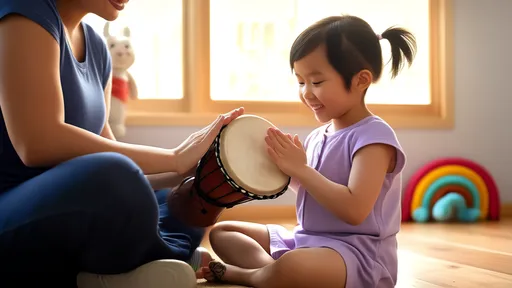
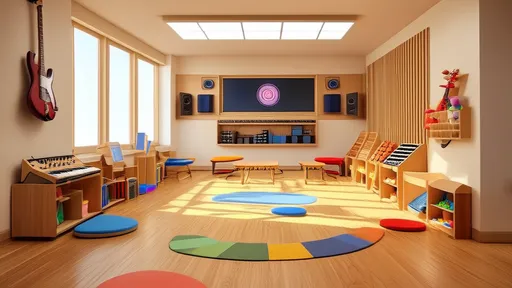
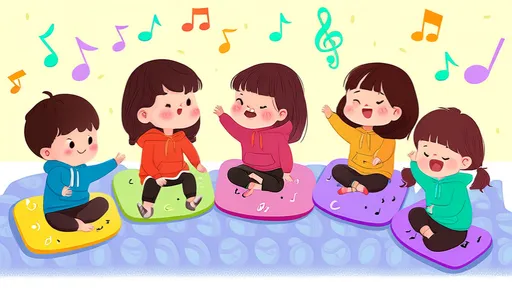
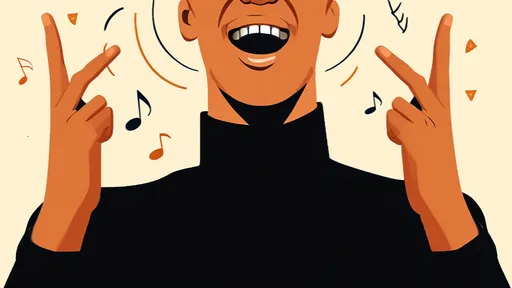
In the evolving landscape of therapeutic interventions, music communication methods for special children have emerged as a profound and transformative approach. This practice, rooted in both art and science, leverages the universal language of music to bridge gaps where traditional communication may fall short. For children with diverse needs—whether developmental, emotional, or cognitive—music offers a unique pathway to expression, connection, and growth.
The foundation of music communication lies in its ability to transcend verbal limitations. Many special children face challenges in articulating thoughts, emotions, or needs through spoken language. Music, with its rhythmic patterns, melodic contours, and emotional resonance, provides an alternative medium. It allows children to communicate non-verbally, often revealing depths of their inner world that might otherwise remain hidden. Therapists and educators observe that even those with severe communication barriers can respond to music, whether through movement, vocalization, or attentive listening.
One of the core elements of this method is its adaptability. There is no one-size-fits-all approach; instead, practitioners tailor interventions to each child's unique profile. For instance, a child with autism spectrum disorder might engage more readily with structured, predictable rhythms, which can provide a sense of security and order. In contrast, a child with emotional trauma might benefit from free-form, improvisational music that allows for emotional release and exploration. This flexibility makes music communication a versatile tool across a wide range of conditions.
Research into the neurological underpinnings of music therapy sheds light on why it is so effective. Studies using neuroimaging have shown that music activates multiple areas of the brain simultaneously, including those involved in emotion, memory, and motor control. For children with special needs, this multisensory engagement can stimulate neural pathways that support development and healing. Music can enhance cognitive functions, improve motor skills, and regulate emotional states, often leading to breakthroughs in other areas of therapy and education.
The role of the therapist or educator is crucial in this process. These professionals are not merely instructors but facilitators and co-creators. They must be highly attuned to the child's responses, using their musical skills to mirror, support, or challenge the child's expressions. This dynamic interaction builds trust and rapport, creating a safe space for the child to explore and communicate. The therapist's ability to improvise and adapt in real-time is what transforms a simple musical activity into a powerful communicative exchange.
In practice, sessions might involve a variety of techniques. Instrument play is common, with children using drums, xylophones, or simple percussion to create sounds and rhythms. Singing and vocalization exercises can help with speech development and emotional expression. Movement to music integrates physical and auditory processing, promoting coordination and body awareness. Some approaches incorporate technology, such as apps or devices that allow children to create music through alternative interfaces, making it accessible even for those with physical limitations.
The impact of music communication extends beyond the therapy room. Parents and caregivers often report that children carry these benefits into daily life. A child who learns to express frustration through drumming might begin to use that outlet at home, reducing tantrums or withdrawal. Improved social skills, such as turn-taking during musical games, can translate to better interactions with peers. Educators note that children who participate in music therapy often show increased engagement and participation in classroom activities.
Despite its growing recognition, challenges remain in widespread implementation. Access to trained music therapists can be limited, particularly in underserved areas. There is also a need for more rigorous, large-scale studies to quantify outcomes and secure funding. However, the anecdotal and preliminary empirical evidence is compelling, driving advocacy for greater inclusion of music communication in special education and therapeutic settings.
Looking ahead, the integration of music communication with other modalities holds promise. Combining music with visual arts, drama, or technology could create even more holistic approaches. As awareness grows, so does the potential for innovation, ensuring that more children can benefit from this harmonious blend of science and soul.
In essence, music communication for special children is not just a method but a movement toward more inclusive, empathetic, and effective support. It honors the individuality of each child, offering a voice through the universal language of music. As we continue to explore and refine these practices, we unlock new possibilities for connection, growth, and joy in the lives of those who need it most.
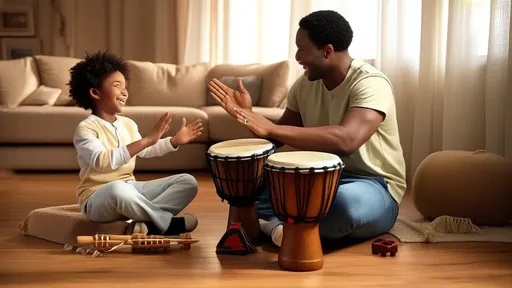
In the bustling landscape of modern parenting, where digital distractions often dominate children's attention, a refreshing trend is emerging that brings families together through rhythm and resonance. Parent-child percussion interaction games are not merely a pastime; they represent a profound shift toward tactile, collaborative play that stimulates both cognitive development and emotional bonding. These activities, which range from simple hand-clapping routines to elaborate drum circles, harness the universal language of rhythm to create shared experiences that resonate deeply within family dynamics.
In the evolving landscape of therapeutic interventions, music communication methods for special children have emerged as a profound and transformative approach. This practice, rooted in both art and science, leverages the universal language of music to bridge gaps where traditional communication may fall short. For children with diverse needs—whether developmental, emotional, or cognitive—music offers a unique pathway to expression, connection, and growth.
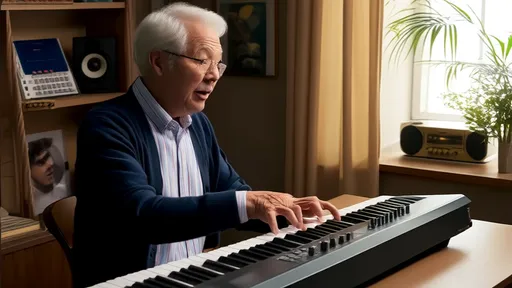
In community centers and retirement homes across the country, a quiet revolution is taking place as silver-haired learners gather around tablets and digital keyboards. The emergence of digital musical instrument education for seniors represents more than just technological adoption—it signifies a profound shift in how we perceive aging, cognitive health, and creative expression in later life.
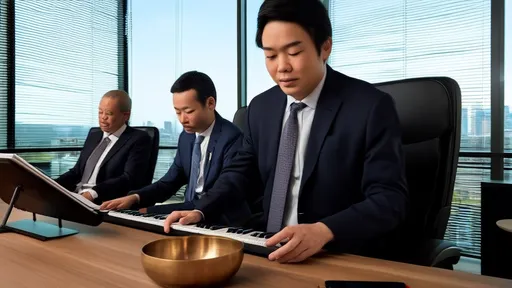
In the high-stakes world of corporate leadership, where decisions carry multimillion-dollar implications and the weight of entire organizations rests on their shoulders, executives are increasingly turning to an unexpected source of relief: music. Across boardrooms from Silicon Valley to Wall Street, a new trend is emerging as top-tier companies invest in specialized music stress reduction class for their C-suite personnel, recognizing that the well-being of their leaders directly impacts organizational performance and innovation.
In the evolving landscape of therapeutic and educational interventions, the integration of music with sensory integration has emerged as a profoundly effective methodology. Music-based sensory integration training, often referred to as Musical Sensory Integration (MSI), represents a dynamic fusion where the structured elements of sound, rhythm, and melody are harnessed to engage and regulate the sensory systems. This approach moves beyond traditional auditory training, positioning music not as a mere backdrop but as an active, organizing force for neural processing. The core premise rests on music's innate ability to capture attention, modulate arousal levels, and provide a predictable yet flexible framework for sensory exploration and motor response.
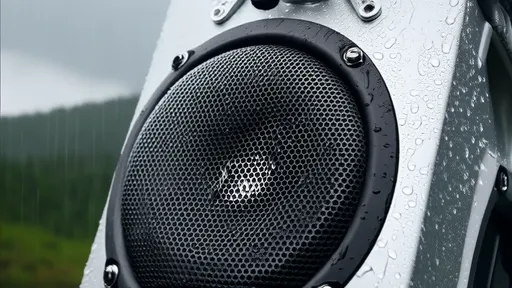
In the realm of outdoor audio systems, the challenge of protecting equipment from environmental elements remains a critical concern for engineers and event organizers alike. Water, in particular, poses a significant threat to the integrity and performance of amplification devices, speakers, and associated electronics. As such, developing robust waterproofing strategies is not merely an option but a necessity for ensuring reliability and longevity in varied climatic conditions.
In the intricate ecosystem of computer audio, the role of sound card drivers often remains underappreciated until something goes awry. These software components serve as the critical bridge between your operating system and the hardware responsible for producing and capturing sound. While most users settle for the default driver configurations provided by manufacturers, a deeper understanding of driver optimization can unlock significantly enhanced audio performance, reduced latency, and improved stability across various applications.
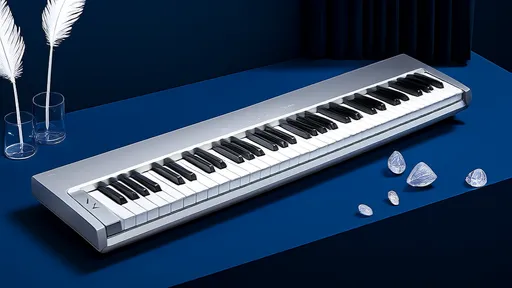
In the ever-evolving landscape of electronic keyboards, the quality and versatility of auto-accompaniment styles have become a defining feature for musicians of all levels. From hobbyists to professional performers, these built-in rhythm and harmony patterns serve as both a creative springboard and a technical benchmark. The evolution of these styles reflects not just technological advancement but also shifting musical tastes and global influences.
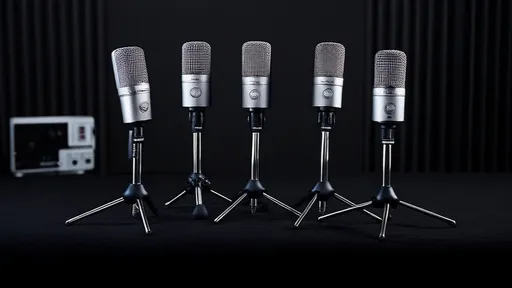
In the ever-expanding universe of content creation, the microphone stands as one of the most critical tools for anyone serious about audio quality. Whether you're a budding podcaster, a YouTuber, a streamer, or a musician recording demos, the quest for pristine sound without obliterating your budget is a common challenge. The sub-$50 and sub-$100 microphone market has exploded in recent years, offering a dizzying array of options that promise professional-grade performance. But how do they truly stack up against each other? This deep dive aims to cut through the marketing noise and provide a clear, practical evaluation of the best microphones you can get for under five hundred dollars, a price point that has become a sweet spot for high-quality, accessible audio gear.
In the rapidly evolving landscape of wireless communication, the resilience of monitoring systems against interference has emerged as a critical focal point for both developers and end-users. Recent advancements in testing methodologies have shed new light on the capabilities and limitations of modern wireless listening devices operating in increasingly congested electromagnetic environments. Field tests conducted across urban and remote settings reveal a complex interplay between signal integrity, bandwidth efficiency, and adaptive countermeasures that define the next generation of surveillance technology.
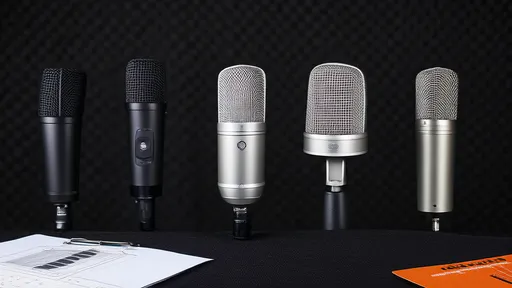
Every recording begins with a single sound, and capturing that sound accurately starts with the right microphone and, just as importantly, the right testing process. A microphone test is not merely a technical formality; it is the first and most crucial conversation between the artist and the technology. It is the moment you learn the instrument's true voice, its nuances, its strengths, and its potential pitfalls before a single note of the final performance is committed to tape. The approach to this ritual, however, is not universal. A one-size-fits-all method is a surefire path to mediocre results. The methodology must be as specialized as the microphones themselves, adapting to the distinct personalities of dynamic, condenser, and ribbon designs.
In the world of music education, few things are as enchanting yet challenging as training young voices to sing in perfect harmony. The delicate nature of children's vocal development requires innovative approaches that maintain engagement while building fundamental skills. Traditional methods of drilling scales and intervals often fall short with younger students, whose attention spans and physical capabilities differ significantly from adult learners. This has led to a fascinating evolution in pedagogical approaches, particularly through the integration of game-based learning techniques specifically designed for children's choirs.
In the intricate world of a cappella music, the art of vocal percussion stands as a testament to human creativity and the boundless potential of the human voice. Often referred to as "beatboxing" in contemporary contexts, this technique involves using one's mouth, lips, tongue, and voice to emulate drum machines, turntables, and other percussive instruments. It is the rhythmic backbone of many a cappella groups, providing the essential groove and pulse that transforms harmonious vocals into a full-bodied musical experience. The history of vocal percussion is as rich as it is diverse, with roots stretching back centuries across various cultures, yet it has found a particularly vibrant home in modern a cappella ensembles.
In the intricate world of Chinese opera, few elements are as visually mesmerizing and technically demanding as the art of water sleeve manipulation, known as shuixiu. This ancient performance technique, where actors wield elongated silk sleeves with breathtaking precision, represents far more than mere aesthetic embellishment. It is a profound non-verbal language, a dance of emotions conveyed through fabric and movement. Yet, to view the water sleeves in isolation would be to miss half the story. Their true power and narrative depth are unlocked only when harmoniously synchronized with another cornerstone of operatic artistry: vocal expression. The marriage of these two disciplines—the visual poetry of the sleeves and the auditory force of the voice—creates a holistic and utterly captivating theatrical experience.
The landscape of audio technology has been fundamentally reshaped by the emergence of magnetic bass systems, offering unparalleled depth and resonance in sound reproduction. As these systems become increasingly integrated into consumer electronics, professional audio setups, and automotive sound environments, a critical conversation has emerged—one that moves beyond pure acoustic performance to address the paramount importance of safety. The development and deployment of these powerful transducers are not merely an engineering challenge but a responsibility, necessitating a comprehensive framework to ensure they enhance our auditory experience without introducing hidden risks.