The landscape of audio technology has been fundamentally reshaped by the emergence of magnetic bass systems, offering unparalleled depth and resonance in sound reproduction. As these systems become increasingly integrated into consumer electronics, professional audio setups, and automotive sound environments, a critical conversation has emerged—one that moves beyond pure acoustic performance to address the paramount importance of safety. The development and deployment of these powerful transducers are not merely an engineering challenge but a responsibility, necessitating a comprehensive framework to ensure they enhance our auditory experience without introducing hidden risks.
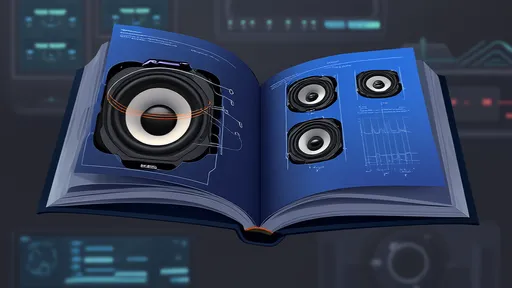
The core of any magnetic bass system, typically a subwoofer or a low-frequency transducer, operates on the principle of electromagnetism. A voice coil, attached to a diaphragm or cone, moves within the magnetic field of a permanent magnet when an audio signal passes through it. This movement displaces air, creating the powerful, visceral low-frequency sounds that are felt as much as they are heard. It is this very power and the physical forces involved that form the foundation of the safety considerations. The immense magnetic fields, significant mechanical excursions, and substantial thermal energy generated during operation are not benign byproducts; they are active elements that must be meticulously managed.
A primary and often underestimated hazard is the sheer physical force these devices can exert. High-power subwoofers are capable of diaphragm excursions, or movements, measuring several inches peak-to-peak. An unsecured enclosure housing such a driver can literally "walk" across a floor due to the Newtonian equal and opposite reaction forces. In a worst-case scenario, a poorly mounted or inadequately housed driver could detach, becoming a dangerous projectile. Furthermore, the intense air pressure waves, particularly at very high volumes in confined spaces, can exert physical pressure on structures, loose objects, and even the human body, potentially leading to discomfort or hearing damage. The secure physical mounting of both the driver and its enclosure is therefore not a suggestion but a fundamental requirement, utilizing appropriate brackets, fasteners, and materials rated for the anticipated forces.
Closely linked to the mechanical dangers are the significant thermal loads. The process of converting electrical energy into kinetic motion is inefficient, with a large portion of energy lost as heat within the voice coil. During prolonged, high-output operation, temperatures can soar to levels capable of causing burns upon contact or, in extreme cases, igniting nearby combustible materials such as certain types of insulation, fabric, or accumulated dust. Amplifiers powering these systems are similarly susceptible to thermal overload. Adequate ventilation is absolutely critical. Designers must incorporate heat sinks and ensure ample free air space around the unit, while users must be vigilant to avoid blocking vents and to listen for protective circuits that may shut down the system to prevent critical overheating.
The powerful static magnets at the heart of these drivers present another category of risk. The strength of neodymium magnets commonly used is sufficient to wreak havoc on nearby electronics. CRT monitors and televisions are famously vulnerable, but pacemakers, mechanical watches, credit cards, and data storage devices like hard drives are also at serious risk of malfunction or data corruption if brought too close. A safe distance must always be maintained. Furthermore, the magnetic force is strong enough to pose a pinching hazard, capable of snapping fingers or catching loose metal objects with violent force. Handling these raw drivers requires caution and an awareness of their invisible but potent field.
Of course, the entire system is powered by electricity, introducing all the standard electrical hazards—shock, short circuit, and fire—but at a heightened level due to the substantial currents involved. Proper grounding is the first and most important line of defense, providing a safe path for fault currents and stabilizing the system's electrical potential. All wiring, both internal and external, must be of a sufficient gauge to handle the amplifier's current output without overheating. Fuses and circuit breakers are not optional components; they are essential safeguards that must be correctly rated to interrupt power in the event of an electrical fault, preventing catastrophic damage to the equipment and, more importantly, preventing a fire.
Finally, the acoustic output itself must be treated with respect. Extended exposure to high sound pressure levels (SPL), especially in the low-frequency range, can lead to permanent hearing loss. This damage is often insidious, as the deep bass may not be perceived as painfully loud as equivalent high-frequency sounds, but it is no less destructive to the delicate hair cells in the inner ear. Responsible usage involves being mindful of volume levels and duration of exposure. In public or commercial installations, sound level meters can be a valuable tool to ensure output remains within safe limits for both operators and audiences.
In conclusion, the journey to powerful, high-fidelity bass is one that must be undertaken with a steadfast commitment to safety. The guidelines outlined here form a critical framework, intertwining responsible design, diligent installation, and informed operation. From securing enclosures and managing heat to respecting magnetic fields and protecting hearing, each measure is a vital component in a holistic safety strategy. By adhering to these principles, we can ensure that the profound experience delivered by magnetic bass technology remains not only immersive and thrilling but also, and above all, safe for everyone involved.
In the bustling landscape of modern parenting, where digital distractions often dominate children's attention, a refreshing trend is emerging that brings families together through rhythm and resonance. Parent-child percussion interaction games are not merely a pastime; they represent a profound shift toward tactile, collaborative play that stimulates both cognitive development and emotional bonding. These activities, which range from simple hand-clapping routines to elaborate drum circles, harness the universal language of rhythm to create shared experiences that resonate deeply within family dynamics.
In the evolving landscape of therapeutic interventions, music communication methods for special children have emerged as a profound and transformative approach. This practice, rooted in both art and science, leverages the universal language of music to bridge gaps where traditional communication may fall short. For children with diverse needs—whether developmental, emotional, or cognitive—music offers a unique pathway to expression, connection, and growth.
In community centers and retirement homes across the country, a quiet revolution is taking place as silver-haired learners gather around tablets and digital keyboards. The emergence of digital musical instrument education for seniors represents more than just technological adoption—it signifies a profound shift in how we perceive aging, cognitive health, and creative expression in later life.
In the high-stakes world of corporate leadership, where decisions carry multimillion-dollar implications and the weight of entire organizations rests on their shoulders, executives are increasingly turning to an unexpected source of relief: music. Across boardrooms from Silicon Valley to Wall Street, a new trend is emerging as top-tier companies invest in specialized music stress reduction class for their C-suite personnel, recognizing that the well-being of their leaders directly impacts organizational performance and innovation.
In the evolving landscape of therapeutic and educational interventions, the integration of music with sensory integration has emerged as a profoundly effective methodology. Music-based sensory integration training, often referred to as Musical Sensory Integration (MSI), represents a dynamic fusion where the structured elements of sound, rhythm, and melody are harnessed to engage and regulate the sensory systems. This approach moves beyond traditional auditory training, positioning music not as a mere backdrop but as an active, organizing force for neural processing. The core premise rests on music's innate ability to capture attention, modulate arousal levels, and provide a predictable yet flexible framework for sensory exploration and motor response.
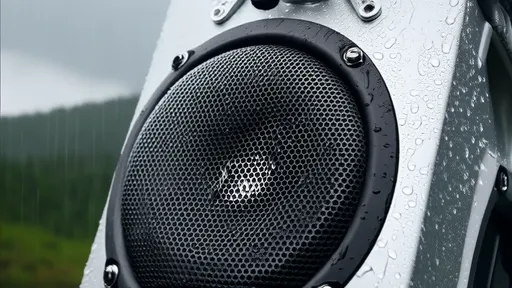
In the realm of outdoor audio systems, the challenge of protecting equipment from environmental elements remains a critical concern for engineers and event organizers alike. Water, in particular, poses a significant threat to the integrity and performance of amplification devices, speakers, and associated electronics. As such, developing robust waterproofing strategies is not merely an option but a necessity for ensuring reliability and longevity in varied climatic conditions.
In the intricate ecosystem of computer audio, the role of sound card drivers often remains underappreciated until something goes awry. These software components serve as the critical bridge between your operating system and the hardware responsible for producing and capturing sound. While most users settle for the default driver configurations provided by manufacturers, a deeper understanding of driver optimization can unlock significantly enhanced audio performance, reduced latency, and improved stability across various applications.
In the ever-evolving landscape of electronic keyboards, the quality and versatility of auto-accompaniment styles have become a defining feature for musicians of all levels. From hobbyists to professional performers, these built-in rhythm and harmony patterns serve as both a creative springboard and a technical benchmark. The evolution of these styles reflects not just technological advancement but also shifting musical tastes and global influences.
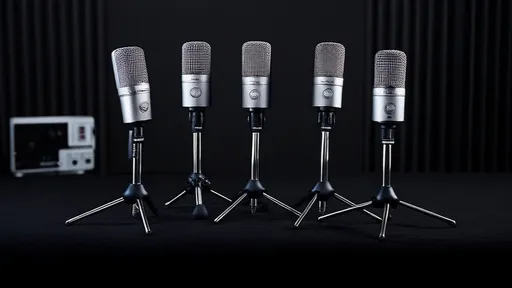
In the ever-expanding universe of content creation, the microphone stands as one of the most critical tools for anyone serious about audio quality. Whether you're a budding podcaster, a YouTuber, a streamer, or a musician recording demos, the quest for pristine sound without obliterating your budget is a common challenge. The sub-$50 and sub-$100 microphone market has exploded in recent years, offering a dizzying array of options that promise professional-grade performance. But how do they truly stack up against each other? This deep dive aims to cut through the marketing noise and provide a clear, practical evaluation of the best microphones you can get for under five hundred dollars, a price point that has become a sweet spot for high-quality, accessible audio gear.
In the rapidly evolving landscape of wireless communication, the resilience of monitoring systems against interference has emerged as a critical focal point for both developers and end-users. Recent advancements in testing methodologies have shed new light on the capabilities and limitations of modern wireless listening devices operating in increasingly congested electromagnetic environments. Field tests conducted across urban and remote settings reveal a complex interplay between signal integrity, bandwidth efficiency, and adaptive countermeasures that define the next generation of surveillance technology.
Every recording begins with a single sound, and capturing that sound accurately starts with the right microphone and, just as importantly, the right testing process. A microphone test is not merely a technical formality; it is the first and most crucial conversation between the artist and the technology. It is the moment you learn the instrument's true voice, its nuances, its strengths, and its potential pitfalls before a single note of the final performance is committed to tape. The approach to this ritual, however, is not universal. A one-size-fits-all method is a surefire path to mediocre results. The methodology must be as specialized as the microphones themselves, adapting to the distinct personalities of dynamic, condenser, and ribbon designs.
In the world of music education, few things are as enchanting yet challenging as training young voices to sing in perfect harmony. The delicate nature of children's vocal development requires innovative approaches that maintain engagement while building fundamental skills. Traditional methods of drilling scales and intervals often fall short with younger students, whose attention spans and physical capabilities differ significantly from adult learners. This has led to a fascinating evolution in pedagogical approaches, particularly through the integration of game-based learning techniques specifically designed for children's choirs.
In the intricate world of a cappella music, the art of vocal percussion stands as a testament to human creativity and the boundless potential of the human voice. Often referred to as "beatboxing" in contemporary contexts, this technique involves using one's mouth, lips, tongue, and voice to emulate drum machines, turntables, and other percussive instruments. It is the rhythmic backbone of many a cappella groups, providing the essential groove and pulse that transforms harmonious vocals into a full-bodied musical experience. The history of vocal percussion is as rich as it is diverse, with roots stretching back centuries across various cultures, yet it has found a particularly vibrant home in modern a cappella ensembles.
In the intricate world of Chinese opera, few elements are as visually mesmerizing and technically demanding as the art of water sleeve manipulation, known as shuixiu. This ancient performance technique, where actors wield elongated silk sleeves with breathtaking precision, represents far more than mere aesthetic embellishment. It is a profound non-verbal language, a dance of emotions conveyed through fabric and movement. Yet, to view the water sleeves in isolation would be to miss half the story. Their true power and narrative depth are unlocked only when harmoniously synchronized with another cornerstone of operatic artistry: vocal expression. The marriage of these two disciplines—the visual poetry of the sleeves and the auditory force of the voice—creates a holistic and utterly captivating theatrical experience.
The landscape of audio technology has been fundamentally reshaped by the emergence of magnetic bass systems, offering unparalleled depth and resonance in sound reproduction. As these systems become increasingly integrated into consumer electronics, professional audio setups, and automotive sound environments, a critical conversation has emerged—one that moves beyond pure acoustic performance to address the paramount importance of safety. The development and deployment of these powerful transducers are not merely an engineering challenge but a responsibility, necessitating a comprehensive framework to ensure they enhance our auditory experience without introducing hidden risks.