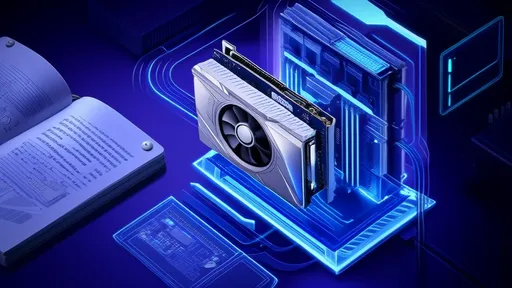
In the intricate ecosystem of computer audio, the role of sound card drivers often remains underappreciated until something goes awry. These software components serve as the critical bridge between your operating system and the hardware responsible for producing and capturing sound. While most users settle for the default driver configurations provided by manufacturers, a deeper understanding of driver optimization can unlock significantly enhanced audio performance, reduced latency, and improved stability across various applications.
The journey toward optimal audio begins with ensuring you have the correct and most recent driver for your specific sound card model. Manufacturers frequently release updates that not only patch compatibility issues with new operating systems but also refine how the hardware processes audio data. These updates can resolve subtle bugs that cause audio crackling, intermittent dropouts, or complete device failure. Relying on the generic drivers automatically installed by your OS is a common pitfall; they provide basic functionality but often lack the advanced features and fine-tuned parameters of the official drivers direct from the sound card's creator.
Once the proper driver is installed, the real work of optimization commences within its control panel or associated software. This interface is the cockpit for your audio experience. Here, you will encounter a range of settings that directly influence how sound is rendered. One of the most crucial settings is the sample rate and bit depth. The sample rate, measured in kilohertz (kHz), determines how many snapshots of the audio signal are taken per second. Common rates include 44.1 kHz (the standard for CD audio) and 48 kHz (common for video). Higher rates, such as 96 kHz or 192 kHz, can theoretically capture more detail but also demand more processing power and storage space. The bit depth defines the dynamic range—the difference between the quietest and loudest sound—with 24-bit providing a much wider and cleaner range than 16-bit. For most high-fidelity listening and recording, a setting of 24-bit, 48 kHz or 24-bit, 96 kHz offers an excellent balance of quality and performance.
Another pivotal setting is the buffer size or latency setting. This controls the amount of audio data stored in a temporary buffer before it is processed. A smaller buffer size reduces latency—the delay between an audio signal being generated and heard—which is paramount for music production and real-time monitoring. However, setting the buffer too low can overwhelm your system, leading to audio glitches and dropouts. Conversely, a larger buffer increases stability at the cost of higher latency, making it suitable for pure playback scenarios like listening to music or watching movies. Finding the sweet spot requires experimentation; start with a moderate setting and gradually lower it until you hear artifacts, then nudge it back up to a stable value.
Many sound cards, especially those aimed at gamers or content creators, feature built-in digital signal processing (DSP) effects. These can include environmental reverb for games, voice morphing, or equalization presets. While these can be fun or situationally useful, they often introduce additional processing latency and can color the audio in a way that is undesirable for critical listening or recording. For the purest signal path and lowest possible latency, it is generally advised to disable all enhancements and DSP effects. This ensures the audio signal is passed from the application to your speakers or headphones with minimal alteration and delay.
The exclusive mode setting is a powerful feature often overlooked. When an application, such as a media player or digital audio workstation (DAW), requests exclusive access to the sound card, it bypasses the Windows Audio Mixer. This allows the application to output audio at its native sample rate and bit depth without being resampled or altered by the system's global settings. This not only can improve audio fidelity but also reduce CPU overhead. Enabling this option in your driver settings and within your media applications can lead to a noticeably cleaner and more accurate audio output.
For users with multi-channel setups, correctly configuring the speaker arrangement is fundamental. The driver must know exactly how many speakers you have and their arrangement (e.g., 5.1, 7.1, stereo) to properly decode surround sound formats and pan audio accordingly. Misconfiguration here can lead to channels being missed, sounds appearing to come from the wrong direction, or complete failure of surround sound effects. Testing the configuration with the built-in test tone feature found in most driver panels is an essential step to ensure each speaker is functioning correctly and is assigned to the proper channel.
Driver conflicts represent a common source of audio instability. This can occur if old driver files are not completely removed before a new installation, or if multiple audio devices are competing for priority. Using dedicated driver uninstaller utilities or the safe mode method to remove old drivers before a fresh install can prevent many cryptic issues. Furthermore, in your computer's BIOS/UEFI settings, you may find options related to onboard audio devices. If you are using a dedicated PCIe sound card, disabling the motherboard's integrated audio can free up system resources and eliminate a potential source of conflict.
Finally, the pursuit of optimal audio is not solely about the driver itself. The entire audio chain matters. High-quality cables, properly shielded to avoid interference, reliable USB ports (if using an external interface), and capable amplifiers and speakers or headphones are all links in the chain. A perfectly configured driver cannot compensate for deficiencies in other components. Power management settings in Windows can also interfere with audio performance. To prevent the system from turning off USB hubs or PCIe devices to save power, which can cause an external sound card to disconnect, it is advisable to set your power plan to High Performance when engaging in critical audio tasks.
Optimizing your sound card driver is a blend of technical knowledge and mindful experimentation. There is no single configuration that is perfect for every system and every use case. The process involves understanding the trade-offs between latency, stability, and fidelity, and tailoring the settings to your specific hardware and primary activities. Whether you are a gamer seeking immersive positional audio, an audiophile craving the most transparent playback, or a musician requiring rock-solid, low-latency performance, taking the time to delve into your driver's settings will yield a richer and more reliable sonic experience. The driver is not just a piece of software that makes sound work; it is the conductor of your digital orchestra, and a skilled conductor makes all the difference.
In the bustling landscape of modern parenting, where digital distractions often dominate children's attention, a refreshing trend is emerging that brings families together through rhythm and resonance. Parent-child percussion interaction games are not merely a pastime; they represent a profound shift toward tactile, collaborative play that stimulates both cognitive development and emotional bonding. These activities, which range from simple hand-clapping routines to elaborate drum circles, harness the universal language of rhythm to create shared experiences that resonate deeply within family dynamics.
In the evolving landscape of therapeutic interventions, music communication methods for special children have emerged as a profound and transformative approach. This practice, rooted in both art and science, leverages the universal language of music to bridge gaps where traditional communication may fall short. For children with diverse needs—whether developmental, emotional, or cognitive—music offers a unique pathway to expression, connection, and growth.
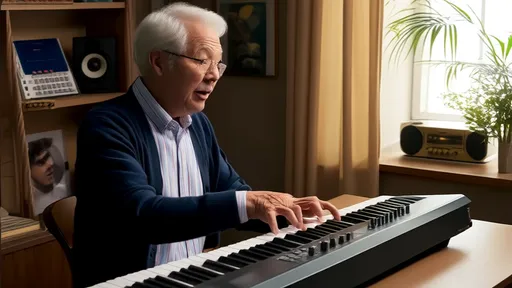
In community centers and retirement homes across the country, a quiet revolution is taking place as silver-haired learners gather around tablets and digital keyboards. The emergence of digital musical instrument education for seniors represents more than just technological adoption—it signifies a profound shift in how we perceive aging, cognitive health, and creative expression in later life.
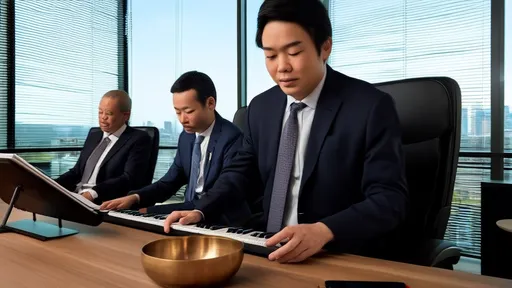
In the high-stakes world of corporate leadership, where decisions carry multimillion-dollar implications and the weight of entire organizations rests on their shoulders, executives are increasingly turning to an unexpected source of relief: music. Across boardrooms from Silicon Valley to Wall Street, a new trend is emerging as top-tier companies invest in specialized music stress reduction class for their C-suite personnel, recognizing that the well-being of their leaders directly impacts organizational performance and innovation.
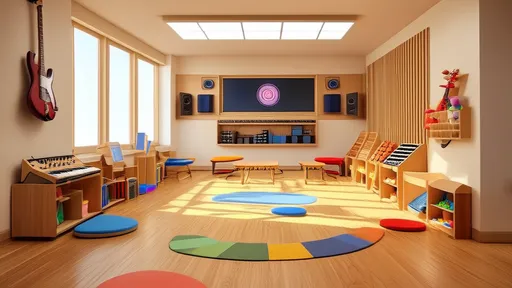
In the evolving landscape of therapeutic and educational interventions, the integration of music with sensory integration has emerged as a profoundly effective methodology. Music-based sensory integration training, often referred to as Musical Sensory Integration (MSI), represents a dynamic fusion where the structured elements of sound, rhythm, and melody are harnessed to engage and regulate the sensory systems. This approach moves beyond traditional auditory training, positioning music not as a mere backdrop but as an active, organizing force for neural processing. The core premise rests on music's innate ability to capture attention, modulate arousal levels, and provide a predictable yet flexible framework for sensory exploration and motor response.
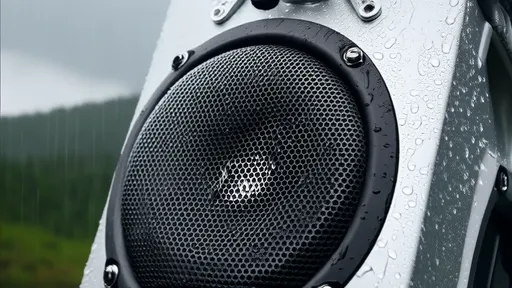
In the realm of outdoor audio systems, the challenge of protecting equipment from environmental elements remains a critical concern for engineers and event organizers alike. Water, in particular, poses a significant threat to the integrity and performance of amplification devices, speakers, and associated electronics. As such, developing robust waterproofing strategies is not merely an option but a necessity for ensuring reliability and longevity in varied climatic conditions.
In the intricate ecosystem of computer audio, the role of sound card drivers often remains underappreciated until something goes awry. These software components serve as the critical bridge between your operating system and the hardware responsible for producing and capturing sound. While most users settle for the default driver configurations provided by manufacturers, a deeper understanding of driver optimization can unlock significantly enhanced audio performance, reduced latency, and improved stability across various applications.
In the ever-evolving landscape of electronic keyboards, the quality and versatility of auto-accompaniment styles have become a defining feature for musicians of all levels. From hobbyists to professional performers, these built-in rhythm and harmony patterns serve as both a creative springboard and a technical benchmark. The evolution of these styles reflects not just technological advancement but also shifting musical tastes and global influences.
In the ever-expanding universe of content creation, the microphone stands as one of the most critical tools for anyone serious about audio quality. Whether you're a budding podcaster, a YouTuber, a streamer, or a musician recording demos, the quest for pristine sound without obliterating your budget is a common challenge. The sub-$50 and sub-$100 microphone market has exploded in recent years, offering a dizzying array of options that promise professional-grade performance. But how do they truly stack up against each other? This deep dive aims to cut through the marketing noise and provide a clear, practical evaluation of the best microphones you can get for under five hundred dollars, a price point that has become a sweet spot for high-quality, accessible audio gear.
In the rapidly evolving landscape of wireless communication, the resilience of monitoring systems against interference has emerged as a critical focal point for both developers and end-users. Recent advancements in testing methodologies have shed new light on the capabilities and limitations of modern wireless listening devices operating in increasingly congested electromagnetic environments. Field tests conducted across urban and remote settings reveal a complex interplay between signal integrity, bandwidth efficiency, and adaptive countermeasures that define the next generation of surveillance technology.
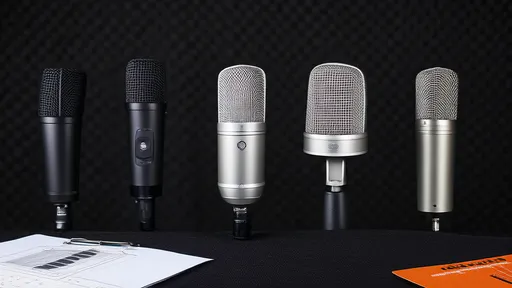
Every recording begins with a single sound, and capturing that sound accurately starts with the right microphone and, just as importantly, the right testing process. A microphone test is not merely a technical formality; it is the first and most crucial conversation between the artist and the technology. It is the moment you learn the instrument's true voice, its nuances, its strengths, and its potential pitfalls before a single note of the final performance is committed to tape. The approach to this ritual, however, is not universal. A one-size-fits-all method is a surefire path to mediocre results. The methodology must be as specialized as the microphones themselves, adapting to the distinct personalities of dynamic, condenser, and ribbon designs.
In the world of music education, few things are as enchanting yet challenging as training young voices to sing in perfect harmony. The delicate nature of children's vocal development requires innovative approaches that maintain engagement while building fundamental skills. Traditional methods of drilling scales and intervals often fall short with younger students, whose attention spans and physical capabilities differ significantly from adult learners. This has led to a fascinating evolution in pedagogical approaches, particularly through the integration of game-based learning techniques specifically designed for children's choirs.
In the intricate world of a cappella music, the art of vocal percussion stands as a testament to human creativity and the boundless potential of the human voice. Often referred to as "beatboxing" in contemporary contexts, this technique involves using one's mouth, lips, tongue, and voice to emulate drum machines, turntables, and other percussive instruments. It is the rhythmic backbone of many a cappella groups, providing the essential groove and pulse that transforms harmonious vocals into a full-bodied musical experience. The history of vocal percussion is as rich as it is diverse, with roots stretching back centuries across various cultures, yet it has found a particularly vibrant home in modern a cappella ensembles.
In the intricate world of Chinese opera, few elements are as visually mesmerizing and technically demanding as the art of water sleeve manipulation, known as shuixiu. This ancient performance technique, where actors wield elongated silk sleeves with breathtaking precision, represents far more than mere aesthetic embellishment. It is a profound non-verbal language, a dance of emotions conveyed through fabric and movement. Yet, to view the water sleeves in isolation would be to miss half the story. Their true power and narrative depth are unlocked only when harmoniously synchronized with another cornerstone of operatic artistry: vocal expression. The marriage of these two disciplines—the visual poetry of the sleeves and the auditory force of the voice—creates a holistic and utterly captivating theatrical experience.
The landscape of audio technology has been fundamentally reshaped by the emergence of magnetic bass systems, offering unparalleled depth and resonance in sound reproduction. As these systems become increasingly integrated into consumer electronics, professional audio setups, and automotive sound environments, a critical conversation has emerged—one that moves beyond pure acoustic performance to address the paramount importance of safety. The development and deployment of these powerful transducers are not merely an engineering challenge but a responsibility, necessitating a comprehensive framework to ensure they enhance our auditory experience without introducing hidden risks.